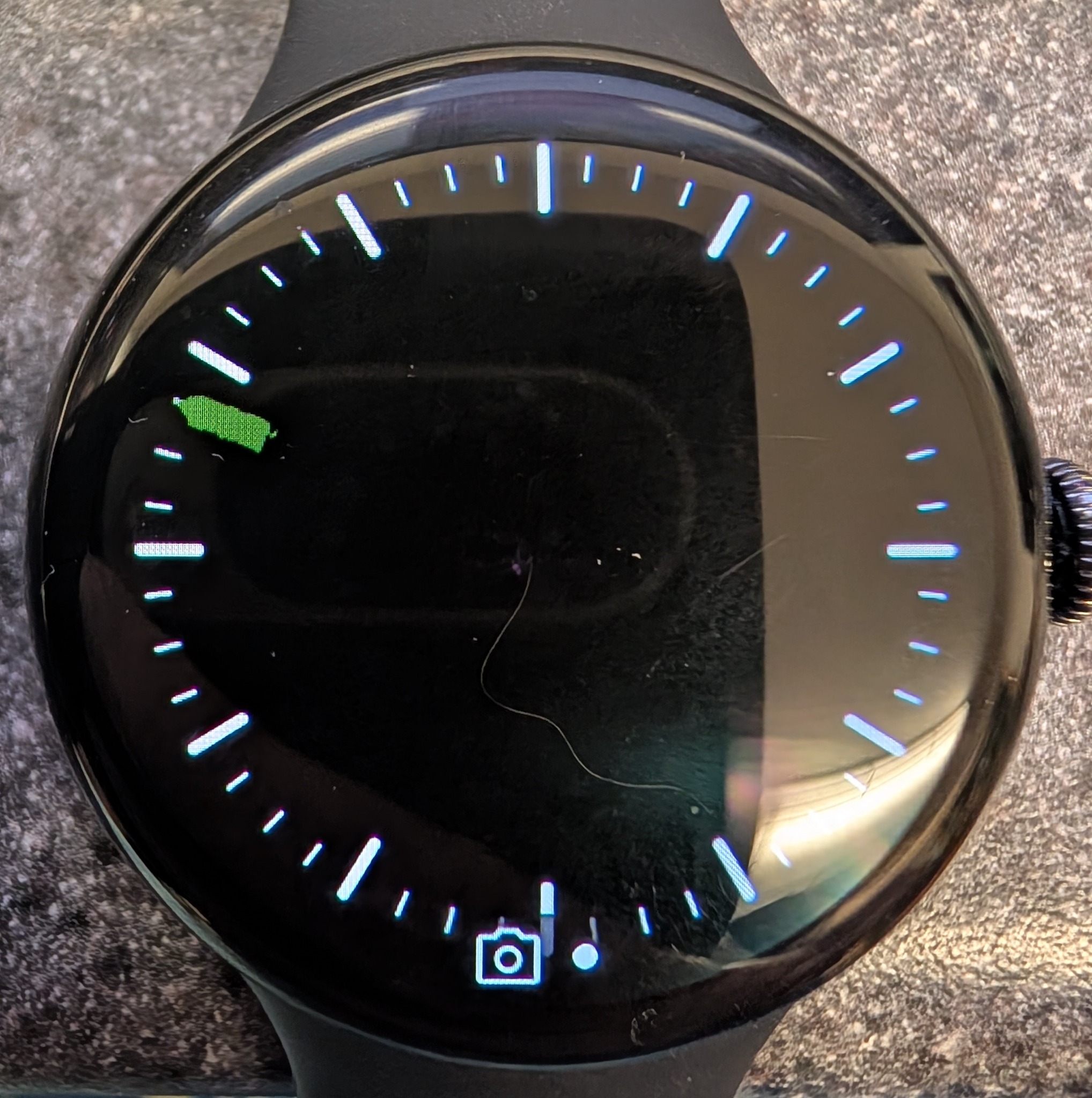
GLANCEABILITY
Quiet
When the question is simply “about what time is it?”, everything else can become noise.
PERFECTLY YOURS
Start with what you want to see, what you want to ignore, and what makes the watch feel like yours. Then put a real version on your wrist and improve it from experience.
Not a catalog. Not a template with a name dropped into it. A design process built around the wearer.
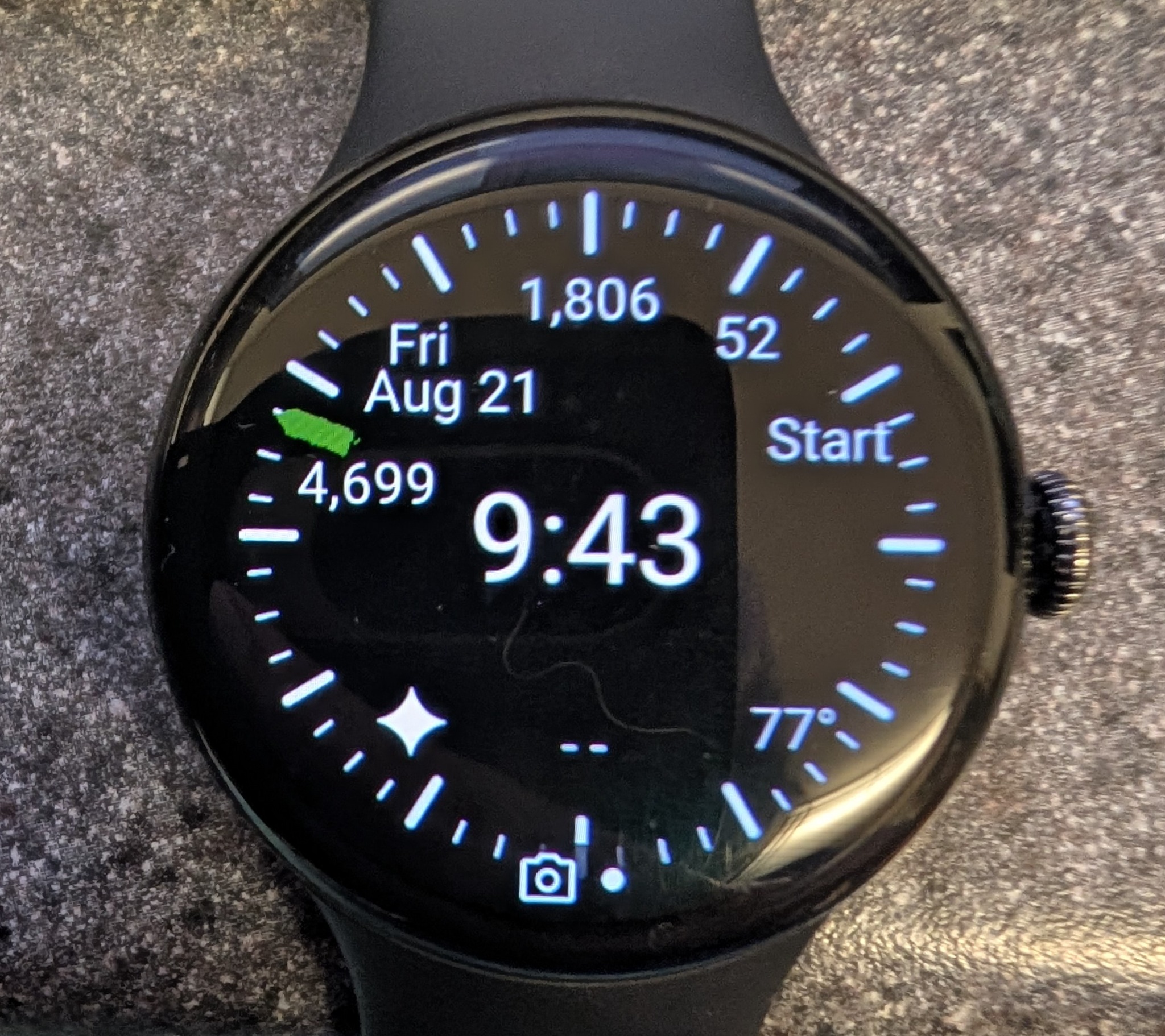
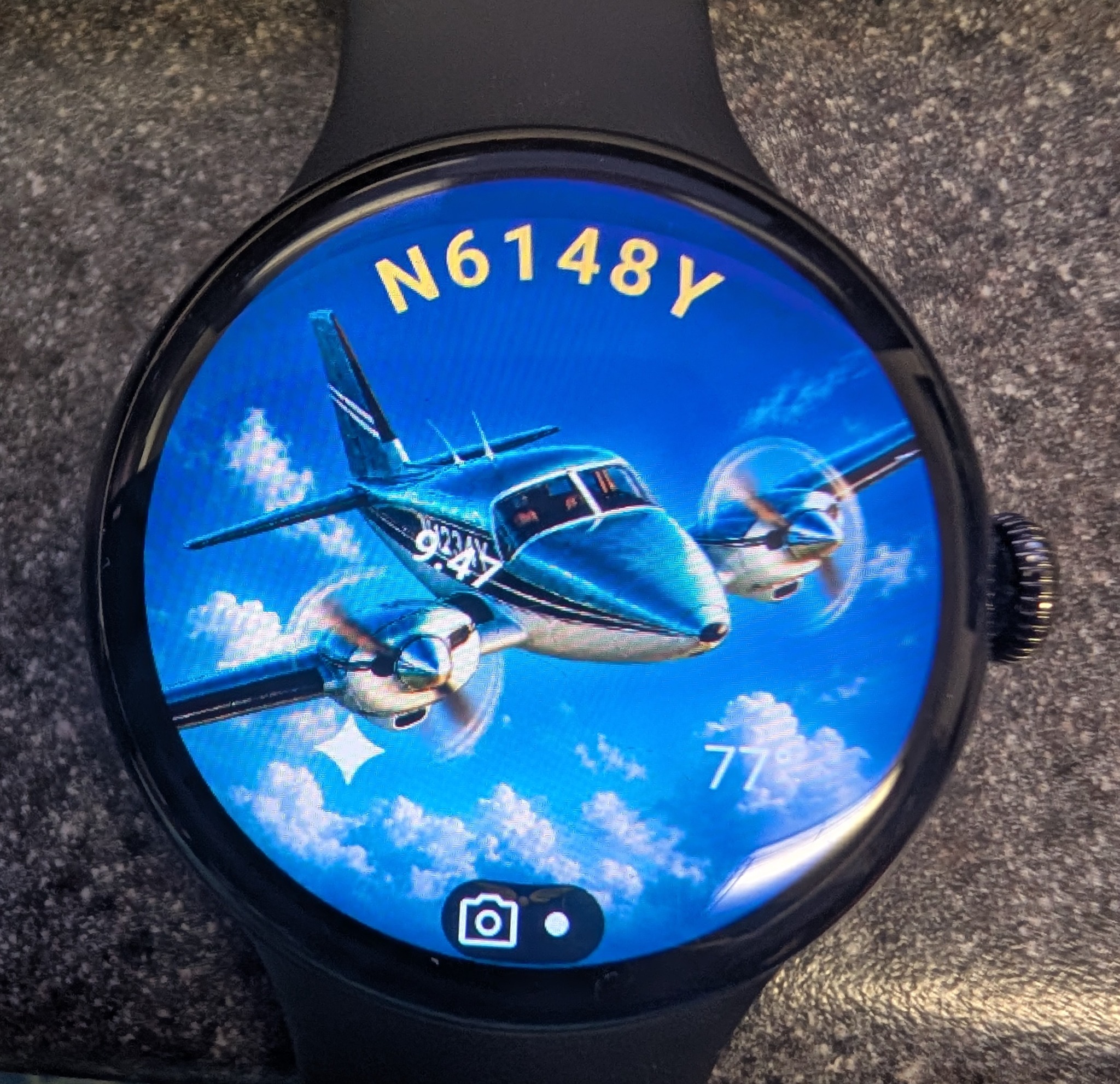
SAME PERSON. THREE VERY DIFFERENT ANSWERS.
These three faces belong to the same wearer. One strips the watch down to the time. One turns it into an information dashboard. One says something unmistakably personal. None is “the” Perfectly Yours design. Together they show what the process can discover.
When the question is simply “about what time is it?”, everything else can become noise.
When information matters, the same watch can bring back the exact things this wearer actually uses.
Sometimes the purpose is not efficiency at all. A watch can also carry history, identity, pride, humor or pure vanity.
SIGNAL → NOISE
A complication earns space only if the information is worth the visual attention it consumes. That tradeoff is different for every wearer — and sometimes different for the same wearer at different moments.
Quiet and Busy are not two products. They are two answers to two different moments.
Follow the decisions in Jeff's Journey →THE ITERATIVE STRAWMAN PROCESS
You only have to react to one. That is a much easier job — and usually a much more revealing one.
Useful information, things you hate, things you miss, identity, habits, wishes — even vague ones.
We put a real first answer on the watch. It is supposed to provoke useful reactions, not win a design award.
What disappears? What annoys you? What do you reach for? What suddenly becomes obvious?
The next version comes from experience. Keep going until the face feels less designed and more inevitable.
THE DEVELOPMENT RULE
“Design it. Make it. Break it. And do it again.”
Perfectly Yours applies an old engineering habit to something very personal: stop arguing with the specification and put something real in the user's hands.
EARLY TESTERS WANTED
We are assembling the first small Wear OS tester group now. Wear something real, react to it, and help us discover what personalization is actually worth.