Start with the person.
What do you actually look for? What do you never use? What would you love to see? What would make the watch more recognizably yours?
THE ITERATIVE STRAWMAN PROCESS
That changes the problem from “design a watch face” to “tell us what happens when you wear this one.”
What do you actually look for? What do you never use? What would you love to see? What would make the watch more recognizably yours?
Not a questionnaire result. Not a polished rendering. A real face you can put on the watch and use.
The valuable reactions are often automatic: the thing your eye keeps missing, the thing you never touch, the thing you suddenly cannot live without.
Move it. Remove it. Emphasize it. Replace it. Try something absurd. The next strawman should answer what the last one taught us.
The goal is not endless revision. The goal is the moment when the remaining choices stop feeling arbitrary.
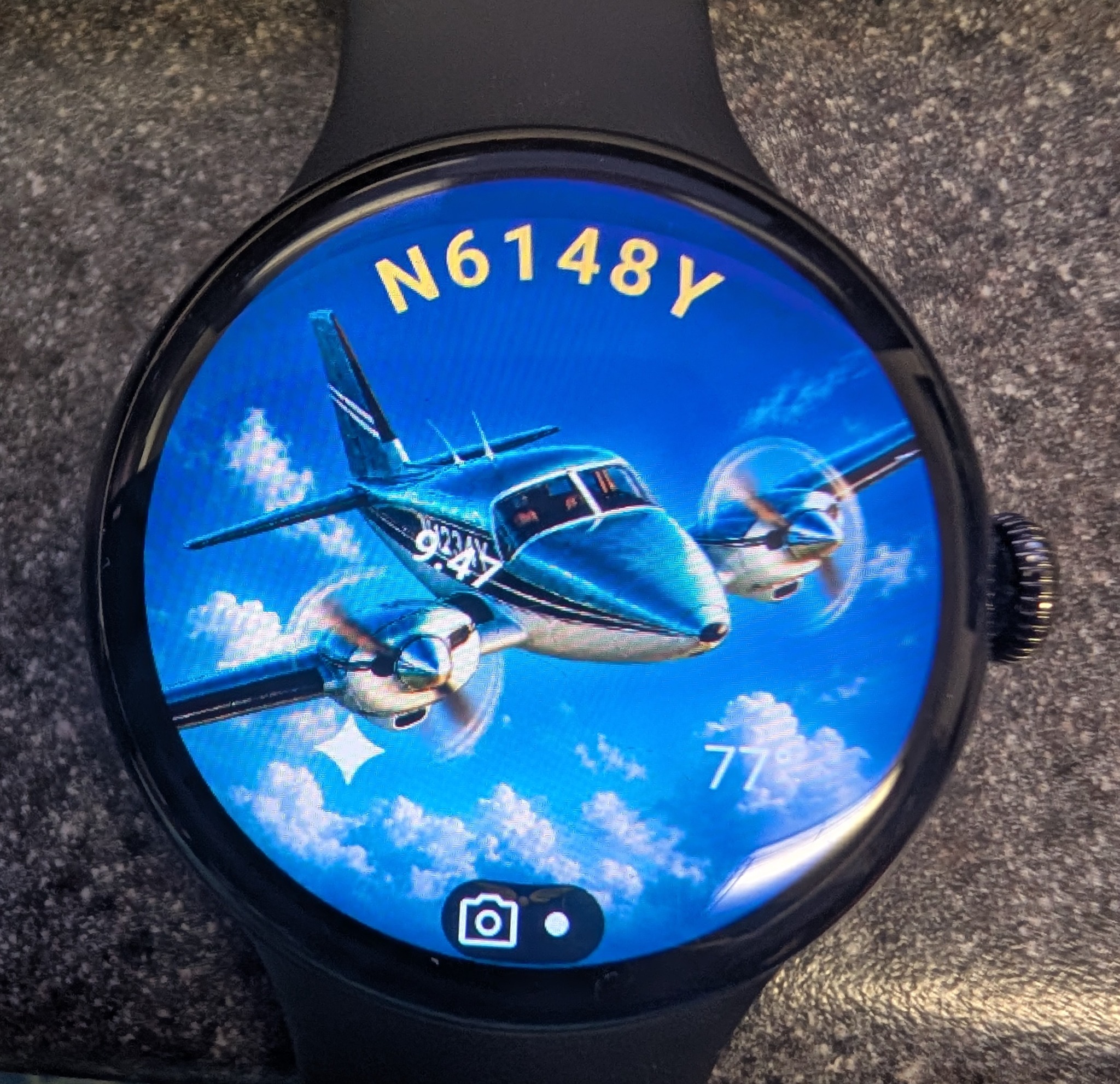
A DIFFERENT KIND OF REQUIREMENT
A useful design process has to make room for things that do not fit neatly into a feature checklist. Some requirements are emotional, nostalgic, funny, vain or deeply personal.
The process should discover those requirements instead of filtering them out.
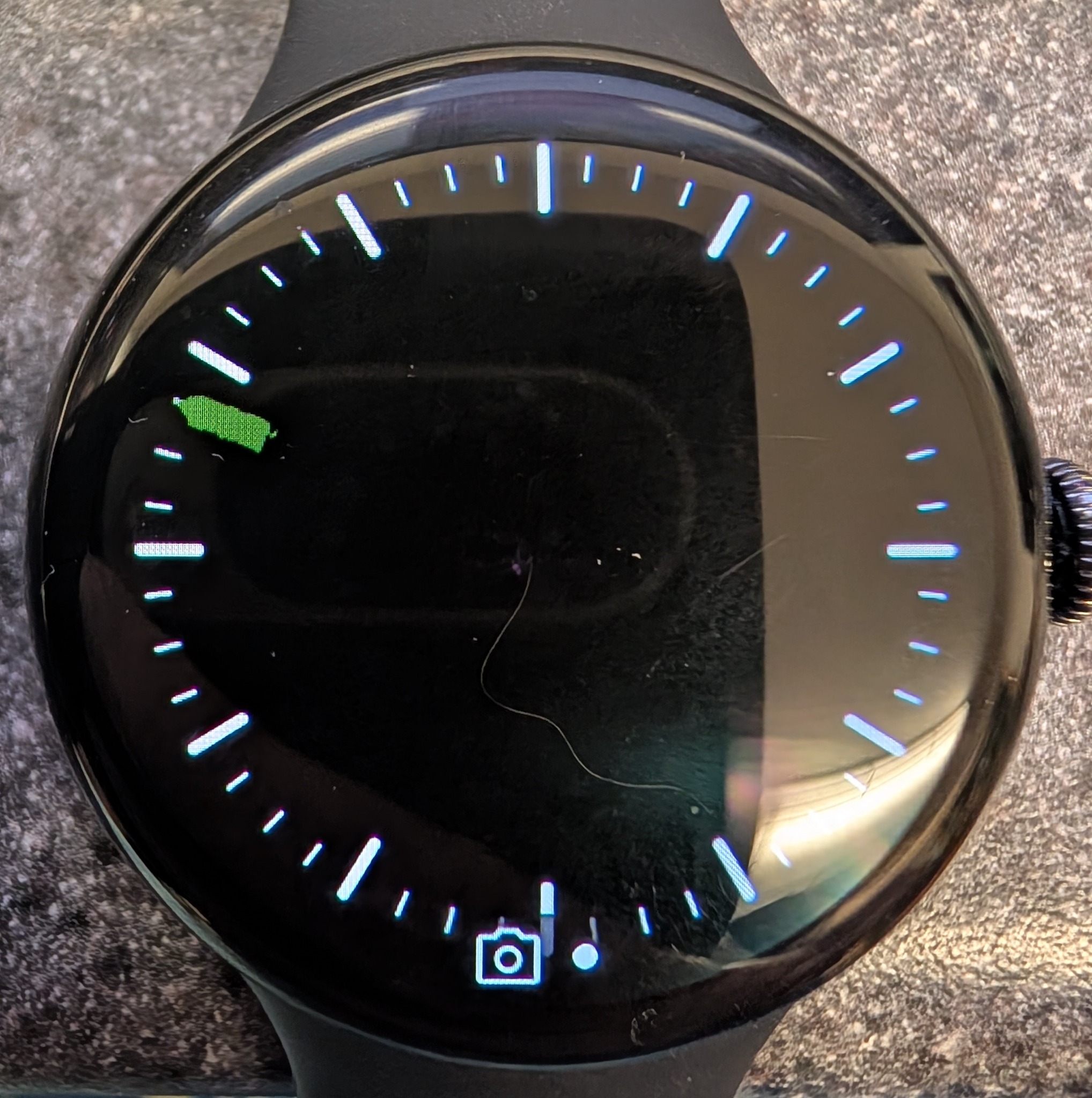
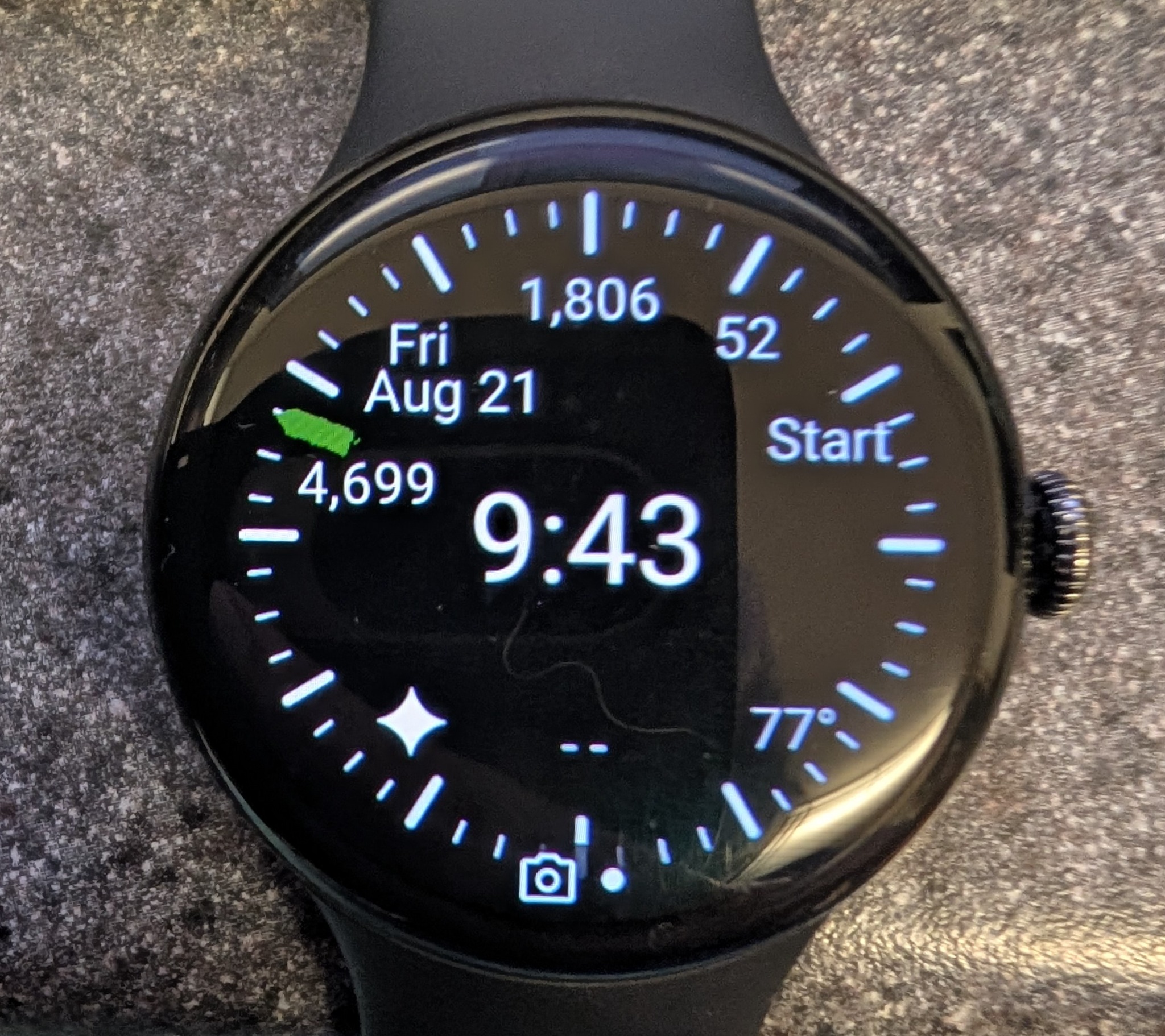
THE TEST BENCH IS YOUR WRIST
The screen has finite space and your attention has finite bandwidth. The only honest way to learn the tradeoff is to wear the answer.
THE RULE
Build enough to learn the next thing.
That is the spirit of the strawman: useful enough to test, unfinished enough to change.